
 Let’s take a look at some astronomy gear I own and some recommendations for you to consider.
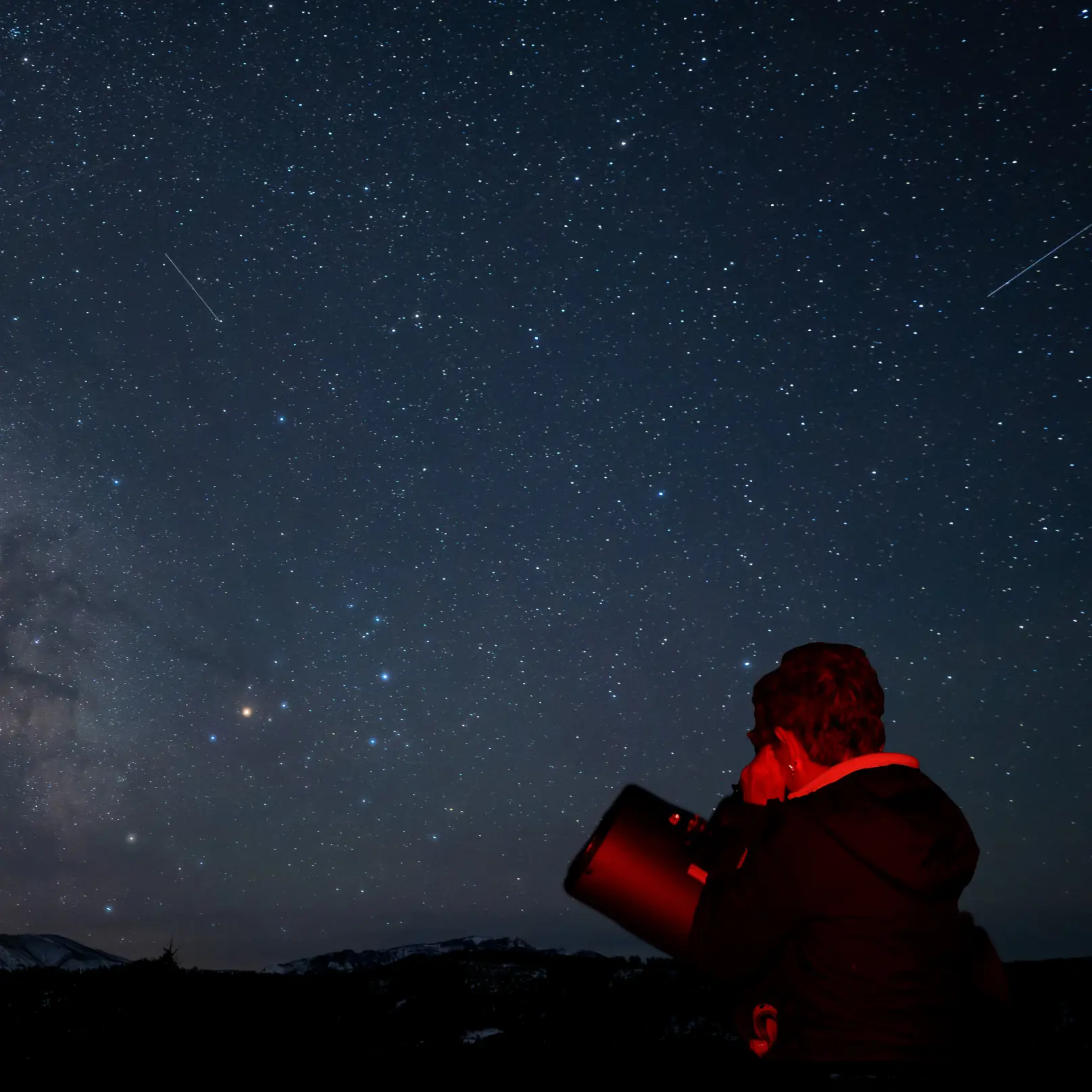
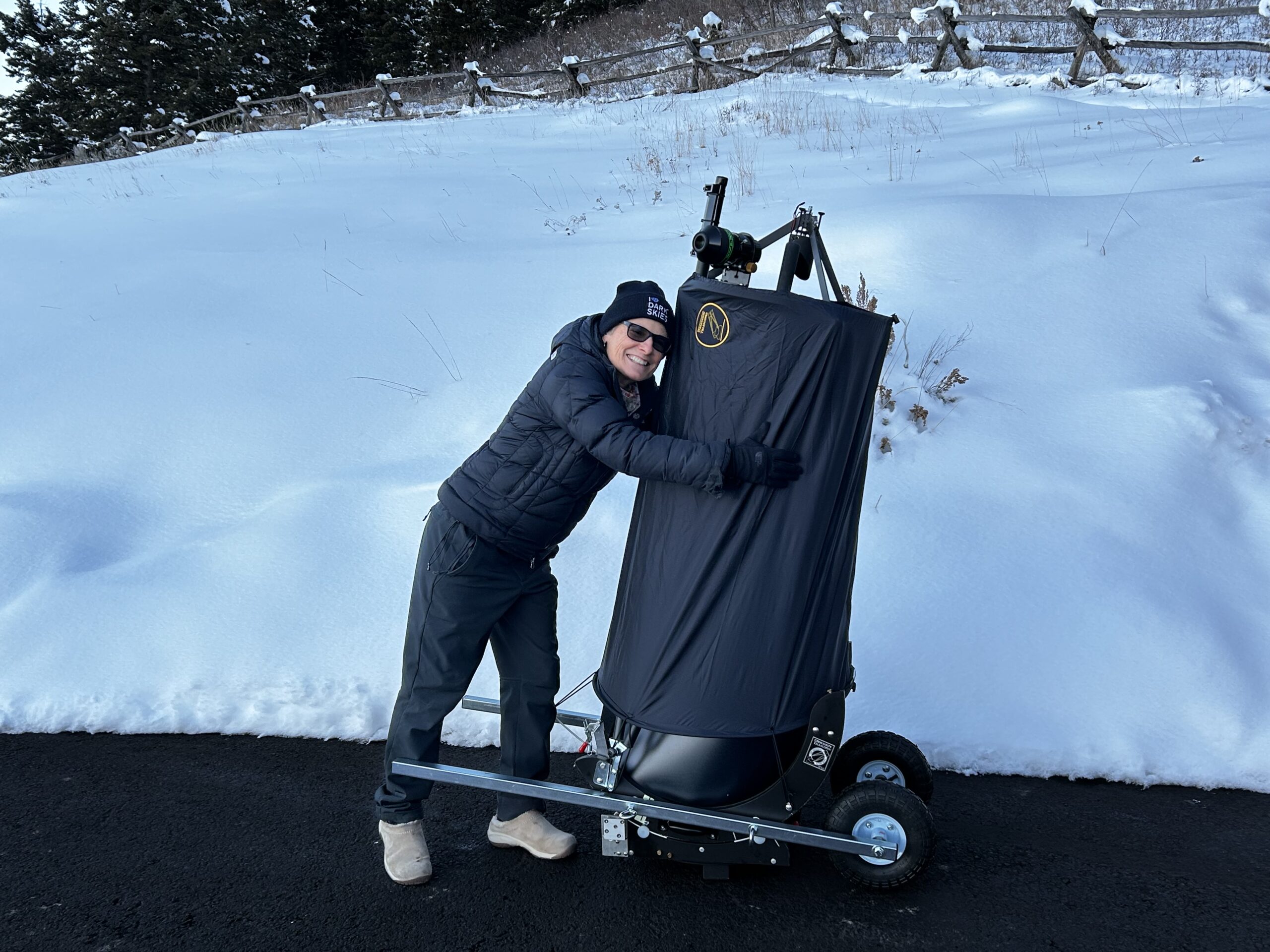
Obsession 15″ (381mm) UC Reflector (pictured to the left).
Celestron 11″ (280mm) SCT on a Losmandy mount in my observatory
Skywatcher 300P Synscan Reflector
A 10″ (250mm) Orion Reflector
Orion 150mm Maksutov-Cassegrain
Meade LX90 8″ (203mm) Schmidt-Cassegrain — in CA.
These refractors:
Orion EON 90mm Triplet
Orion EON 115mm Triplet
Stellarvue 102mm Doublet
If you are thinking about buying a telescope, I recommend you become proficient in the following:
Know the phases of the moon
Know how to find the planets. Know the brightest stars and constellations.
Have been out with your naked eye and with binoculars.
Understand how the sky works Understand the limitations due to light pollution,
Then to understand what type of telescope would work best for you, for your observing location, and for the types of objects you intend to observe, learn about the types of telescopes and determine what your budget is, decide how much weight you can lift now and when you get old, and find out the weight of various telescopes. To learn more about these topics you can watch my video “Advice on Buying a Telescope” https://youtu.be/Elip2tleGzY
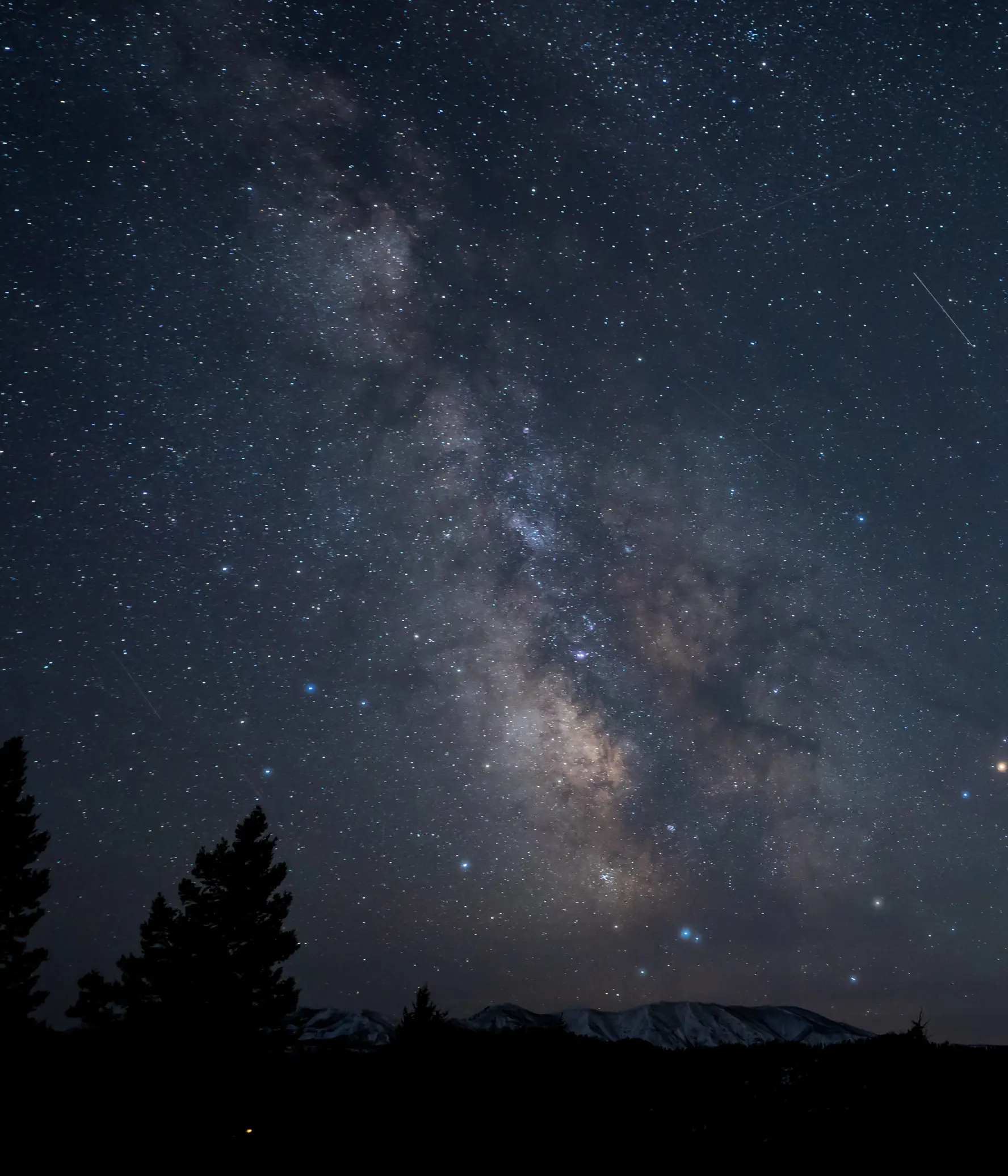
Two things that most beginners fail to adequately consider when getting into the hobby of amateur astronomy or when considering purchasing a telescope, are (1) the devastating effects of light pollution on our hobby and how it limits what you can see in the night sky and (2) how difficult it is to move around a large heavy telescope. Before purchasing a telescope I recommend you at least learn the brightest stars and major constellations as this will help you to find things in the night sky more easily. Try using a simple pair of binoculars to locate objects before buying a telescope to get an idea of how to locate objects and what they might look like. Then after using binoculars and your naked eye for a while and getting the hang of locating objects you might consider purchasing a telescope.
When you head out each night be sure to let your eyes get used to the dark or what we called dark adapted. Wait at least 15 minutes before you can expect your pupils to dilate enough to allow you to see things in the night sky.
If you have a telescope that you keep inside the house or garage, you must allow it about 30 minutes to reach thermal equilibrium with the night air temperature. If you don’t then the stars will appear fuzzy.
When you start out just start by looking around with your naked eye for something familiar. Most of the year you should be able to make out the Big Dipper if you face north and from there the Big Dipper will point you to other constellations. If it is winter time (in the northern hemisphere) you should be able to make out the bright constellation, Orion the Hunter, which can be seen even from light polluted cities. Orion will then point you to other constellations in the winter sky.
Start out using a Planisphere or simple star chart or you can download a free app onto your smart phone called Stellarium that you hold up to the sky and shows you what you are looking at. The problem with using these apps is that they can only show you a small portion of the sky at any given time. So, I recommend an all sky chart. such as Sky & Telescope Pocket Sky Atlas or just a simple planisphere. Once you learn the brightest stars and major constellations then you are ready to try out binoculars and then a telescope. Here is a helpful course I made to get you started: