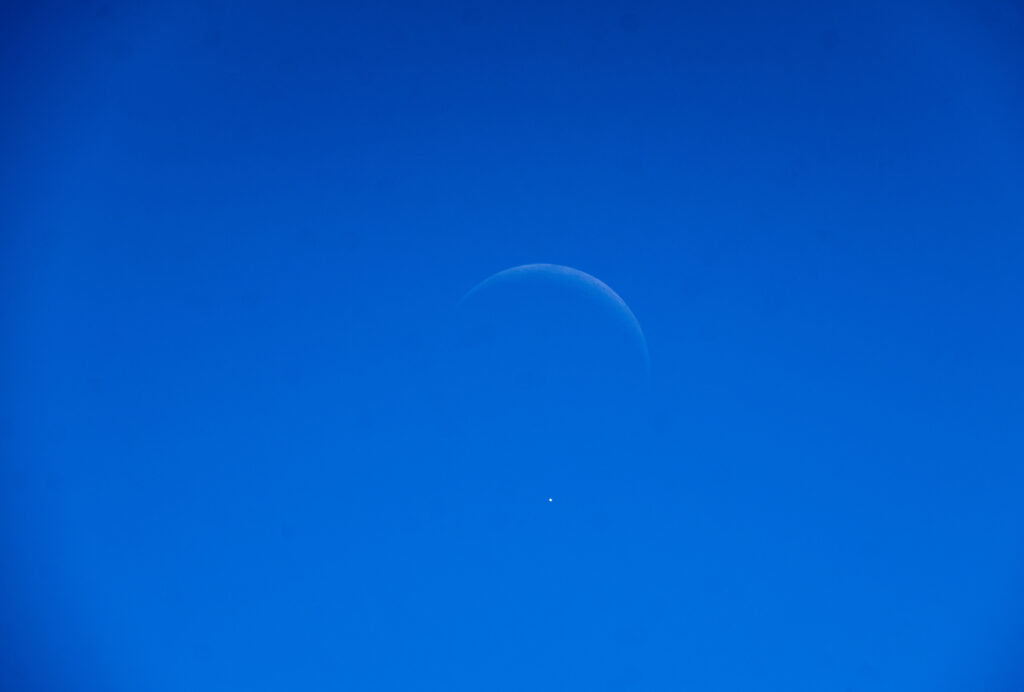
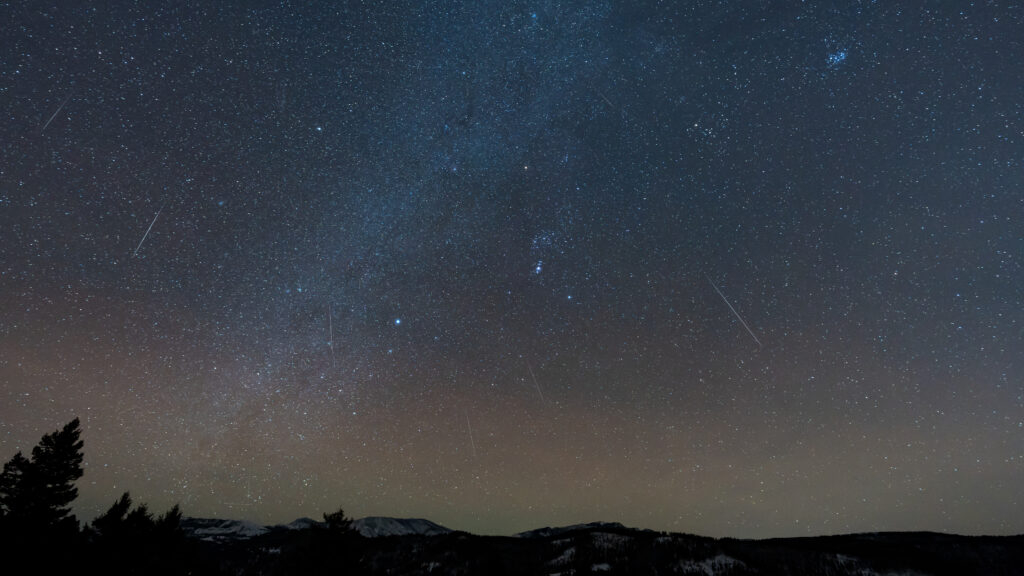
As long as Earth has spun on its axis in orbit around the sun, the planet has known night. Each day, half the world slips into shadow, creating the natural rhythm of light and dark under which life on Earth has evolved.
Now, a private California-based startup is proposing a different future, one in which thousands of in-space mirrors mounted on satellites direct light down to targeted areas on Earth, threatening natural darkness. The company describes this concept as “sunlight on demand,” an idea that would fundamentally alter the nighttime environment as we know it.
Reflect Orbital’s proposal centers on deploying satellites equipped with large reflective surfaces into low Earth orbit. These mirrors would redirect sunlight toward targets on Earth to customers seeking light at night.
According to company materials, the system is designed to illuminate areas up to five kilometers wide, with reflected light reaching intensities between 0.8 and 2.3 lux, several times brighter than a full moon.
Because satellites move rapidly across the sky, any given area would be illuminated only briefly, for a matter of minutes, as a single satellite passes overhead. Achieving consistent or sustained illumination would therefore require multiple satellites targeting the same location in sequence. To provide illumination of practical value, the company has proposed deploying thousands of satellites in large mega-constellations.
Reflect Orbital has applied to the U.S. Federal Communications Commission for a license and, if approved, plans to launch prototype satellites as early as 2026.
Orbital illumination systems, such as those currently being proposed, represent an unprecedented environmental intervention. Based on current scientific evidence, these systems would introduce significant risks to the nighttime environment at a global scale.
Artificial light from orbital illumination would introduce a powerful new stressor to nocturnal ecosystems. Research shows that even low levels of artificial light at night disrupt essential behaviors such as navigation, migration, feeding, and reproduction across hundreds of species. These disruptions can destabilize food webs and accelerate biodiversity loss.
Exposure to artificial light at night disrupts circadian rhythms that regulate sleep, metabolic processes, and hormonal cycles. Research links circadian disruption to a growing number of health concerns. Reflected orbital illumination viewed through optical devices may also pose a risk of eye damage, similar to observing a partial solar eclipse.
Moving beams of light from space-based mirrors could create sudden flashes, glare, or sweeping illumination patterns if systems malfunction or mirrors fail to stow. These effects pose risks to night vision, aircraft operations, drivers, and observers using binoculars or telescopes.
Scattered light from orbital illuminators would significantly increase skyglow and degrade ground-based astronomical observations. A constellation of such satellites would create persistent interference, and a direct beam near observatories could damage sensitive instruments.
Large mirrors in low Earth orbit would face high rates of micro-impacts and increase collision and debris-generation risks, adding to an already crowded orbital environment.
Oppose Reflect Orbital’s proposal by writing the FCC and rejecting their outrageous proposal. Please also consider signing an open letter to Reflect Orbital put together by Dark Sky International:
DarkSky’s open letter to Reflect Orbital and its investors (12-25).pdf – Google Drive
I encourage our community to take action by signing on to an open letter to Reflect Orbital. By adding your name you can let them know their idea is hair brained and harmful and find out how to submit comments during the FCC review period planned for January, as well as other opportunities to take a stand.
The night is not for sale. We all deserve a voice in determining the future of the night sky and the night as we know it.
For an excellent article explaining why Reflect Orbital’s proposal is not even feasible scientifically but worse is actually dangerous to the public, you can read this article by Samantha Lawler, Associate Professor of Astronomy at University of Regina (see page 238):